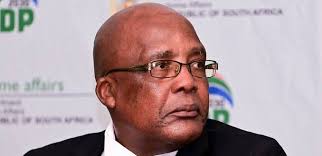
National Police Commissioner Fannie Masemola testified before the Madlanga Commission, shedding light on the alleged connections between Lieutenant General Shadrack Sibiya and notorious crime figure Vusimuzi “Cat” Matlala. According to Masemola, a whistleblower warned him about Sibiya’s close relationship with Matlala, who is currently detained on charges unrelated to the kidnapping case.
Allegations of Police CorruptionMasemola revealed that Sibiya took control of the case docket for businessman Jerry Boshoga’s kidnapping, sparking concerns due to his alleged friendship with Matlala. The whistleblower claimed that Matlala and Sibiya shared information and worked together, with Matlala potentially directing police operations. Masemola stated, “This person said Matlala is actually one of my deputies… doing the same work with Sibiya. They direct police to do certain things.
Suspension of SibiyaFollowing these allegations, Masemola suspended Sibiya with immediate effect, pending the outcome of multiple investigations. The suspension comes after Sibiya’s attempt to dismantle the KwaZulu-Natal political assassinations task team, which was established to tackle high-profile murders.
Investigation and ImplicationsThe Madlanga Commission is probing allegations of state capture in policing, including claims of corruption, political interference and collusion within the SAPS. KZN Police Commissioner Nhlanhla Mkhwanazi previously flagged a syndicate involving Matlala and SAPS officials, accusing Sibiya of removing key dockets.
Key Developments- Matlala’s Charges: Attempted murder, conspiracy to commit murder, money laundering and kidnapping
Sibiya’s Suspension: Pending outcome of multiple investigations into alleged corruption and misconductCommission’s Objective: Uncover extent of corruption and political interference within SAPS, provide recommendations for reformSAPS’ Response: Urges responsible reporting amid rising kidnappings and allegations of police corruption
The commission’s findings could have significant implications for the SAPS leadership and the broader justice system, potentially leading to major reforms and increased accountability