LESOTHO NATIONALS SENTENCED TO 15 YEARS IMPRISONMENT FOR STOCK THEFT
The Bloemfontein Regional Court has handed down a 15-year direct imprisonment sentence to Mothibi Lepalesa (44) and Rorisang Mokachane (40), for the theft of 103 goats.
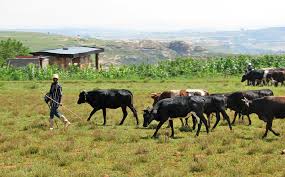
The theft occurred on 21 March 2024, when 103 goats were stolen from a farm near Bloemfontein. Thanks to diligent and intelligence-driven efforts by the South African Police Service (SAPS), 50 of the stolen goats were traced and recovered on 02 and 03 April 2024. The recovered livestock was positively identified by the owner.
Lepalesa and Mokachane were arrested and charged with stock theft. Although no direct evidence linked the accused to the crime, Regional Court Prosecutor Petro Vd Bergh, called eight witnesses during the trial to establish their involvement. Witness testimonies revealed that the accused had either sold the goats or delivered them to various kraals. Despite only 50 goats being recovered, the court convicted the accused of stealing all 103 goats, relying on the doctrine of recent possession.
During sentencing, Prosecutor Vd Bergh, highlighted the seriousness and growing prevalence of stock theft in the Free State, emphasising that the crime is highly organised and meticulously planned. The court also acknowledged the significant financial burden farmers bear in safeguarding their livestock and agreed with the prosecutor’s argument regarding the organised nature of the crime.
As a result, both accused were sentenced to 15 years of direct imprisonment for stock theft. Additionally, they were found guilty of being in South Africa illegally and sentenced to either a fine of R2,000 or one year of imprisonment. The court further ordered that they be deported upon completing their sentences.
The National Prosecuting Authority (NPA) commends the sentence as a strong deterrent to others contemplating stock theft. It reaffirms the NPA’s commitment to ensuring justice for affected farmers and safeguarding the agricultural sector.